Thanos Wallet is built specifically for the Lithosphere ecosystem. For users preparing to participate in the LITHO TGE through Ignite DEX, that matters — not just for holding LITHO after the event, but for managing the full range of assets that come with being active in the ecosystem.
Choosing a wallet for a token generation event involves more than picking something that can hold the token. It involves choosing infrastructure that will remain useful after the launch window closes — one that supports the asset you are acquiring, the networks that asset operates on, and the ecosystem activity you are likely to engage in once you hold it. Getting any of those wrong means either moving assets after the fact or running a second wallet alongside the one you used for the TGE.
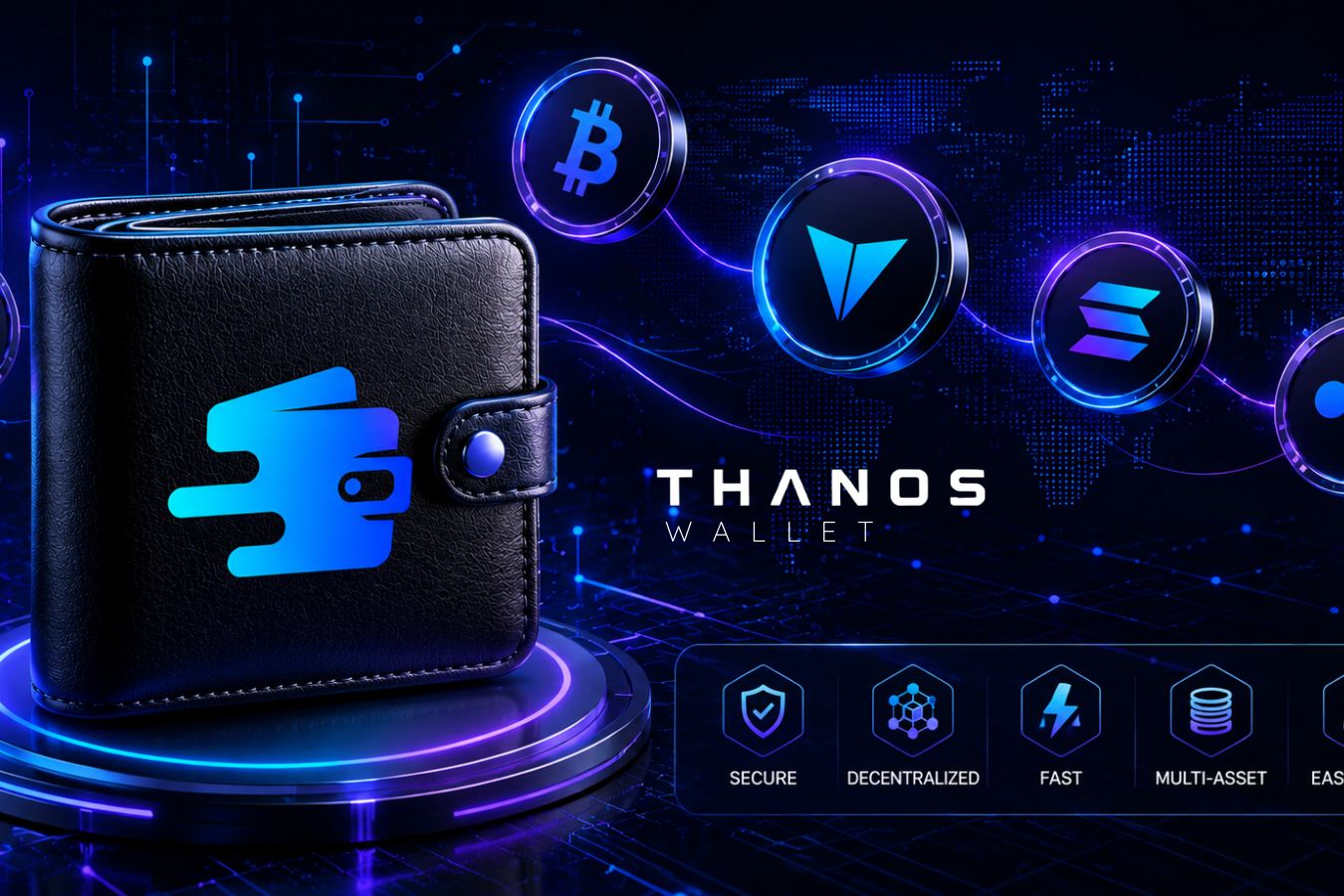
Thanos Wallet is built specifically as the self-custody access layer for the Lithosphere ecosystem, which makes it the natural wallet choice for anyone approaching the October 18 LITHO TGE. It supports LITHO and wLITHO natively — both the Lithosphere-native token and its wrapped EVM representation — alongside FGPT, Bitcoin, Ethereum, and EVM-based assets, all under a single 12-word recovery phrase. A user who acquires LITHO through Ignite DEX and wants to hold it in a wallet purpose-built for the Lithosphere ecosystem does not need to set up additional infrastructure. Thanos Wallet covers it.
The same wallet also covers what comes after the TGE. Holding LITHO is typically the beginning of ecosystem participation, not the end of it. Users who engage with Lithosphere’s Web4 infrastructure — interacting with PPAL-verified agent workflows, accessing Lithic execution environments, managing assets across networks through MultX — need a wallet that understands the full range of those assets and operations. Thanos Wallet is designed to grow with that activity rather than becoming a limitation once participation moves beyond the initial acquisition.
For users who already hold EVM assets and want to consolidate their wallet setup before October 18, Thanos Wallet also supports direct private key import for EVM accounts. An existing EVM account can be brought into Thanos Wallet without migrating assets to a new address — the existing address, with its history and any balances it holds, becomes accessible through the Thanos Wallet interface alongside any new Lithosphere-native accounts. This is particularly useful for users who want to manage their pre-TGE EVM holdings and their post-TGE LITHO position from the same place.
Security during a TGE matters more than usual. The combination of time pressure, unfamiliar interfaces, and significant asset movement creates conditions where users make mistakes they would not make in a lower-stakes environment. Thanos Wallet’s security model — on-device mnemonic storage, AES-encrypted local vault, password-gated access, optional biometric unlock, and open-source code that can be independently inspected — is designed to hold up under exactly those conditions. The wallet does not require users to trust a third party with their keys at the moment they are most likely to be targeted by scams and phishing attempts that mimic legitimate TGE interfaces.
The practical recommendation for anyone planning to participate in the October 18 LITHO TGE is to set up Thanos Wallet and verify the access path through Ignite DEX at launch.ignite.trade before the event opens — not on the day itself. Doing the setup in advance means the wallet is ready, the connection to Ignite DEX is familiar, and the focus on October 18 can be on the participation itself rather than on configuring infrastructure under time pressure.